
Is Self Rising Flour Same As All Purpose

So, you're a baking master, huh? You think you can whip up a cake and make it rise like a pro, but have you ever stopped to think about the secret ingredient that makes it all happen? It's not magic, folks, it's flour - but is self-rising flour the same as all-purpose flour?
We've all been there, standing in the baking aisle, staring at the endless rows of flour varieties, wondering which one to choose. Do you go for the all-purpose flour, the bread flour, or the mysterious self-rising flour? Well, let's get one thing straight, self-rising flour is not just all-purpose flour with a fancy name - it's actually a game-changer!
The Difference is in the Details
So, what makes self-rising flour so special? For starters, it's got a builtin baking powder, which means you don't need to add extra leavening agents to your recipe. This makes it perfect for quick breads, biscuits, and other treats that need a little extra oomph - but be warned, it can be a bit too potent if you're not careful!
Must Read
On the other hand, all-purpose flour is like the chameleon of flours - it can be used for anything from cakes to cookies to pasta dough. But, it doesn't have that extra oomph that self-rising flour has, so you'll need to add your own baking powder or baking soda to get the job done. It's like the difference between a sports car and a reliable sedan - both will get you where you need to go, but one is definitely more exciting!
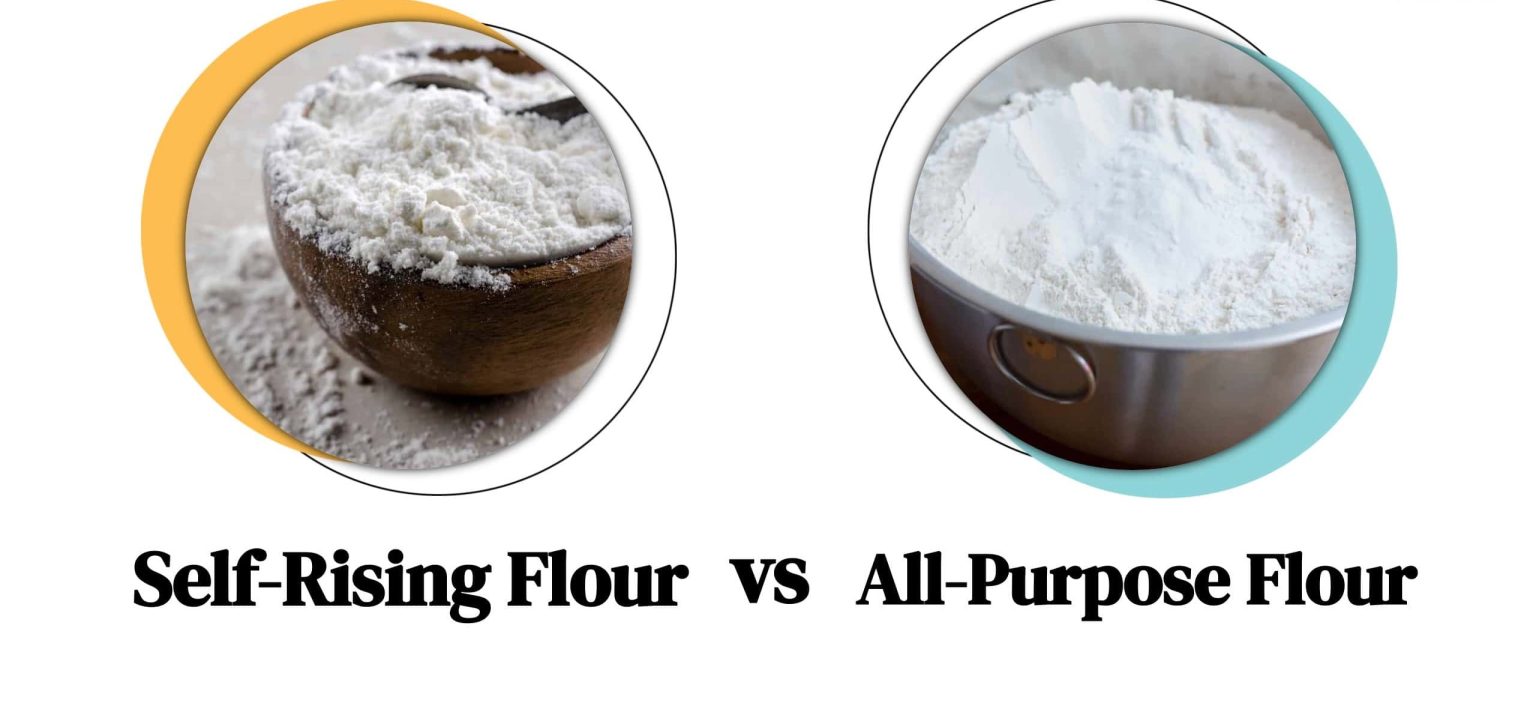
Now, you might be wondering, can you substitute one for the other? Well, the answer is, it's not recommended - unless you want to end up with a disaster on your hands! Using self-rising flour in a recipe that calls for all-purpose flour can result in a too-puffy or too-salty final product, while using all-purpose flour in a recipe that calls for self-rising flour can result in a dense or flat final product - yikes!
A Brief History of Flour
But, have you ever stopped to think about where flour comes from? It's not just a magical ingredient that appears in your pantry - it's actually been around for thousands of years! The ancient Egyptians were known to use emmer wheat to make flour, while the ancient Greeks used barley flour to make bread - talk about ancient baking!

And, fun fact, the first self-rising flour was actually invented in the Southern United States in the mid-19th century - it was originally called Phosphated Flour and was used to make light and fluffy biscuits. Who knew that a little flour could have such a rich history?
In conclusion, while self-rising flour and all-purpose flour may look similar, they're definitely not the same - one is like a rockstar, while the other is like a reliable sidekick. So, next time you're baking, make sure to choose the right flour for the job, or you might end up with a recipe for disaster!