
Can You Substitute Gluten Free Flour For All Purpose Flour

Let's get this baking party started! So, you're wondering if you can substitute gluten-free flour for all-purpose flour in your favorite recipes. Well, the answer is a bit more complicated than a simple yes or no, but we'll dive into the fun details!
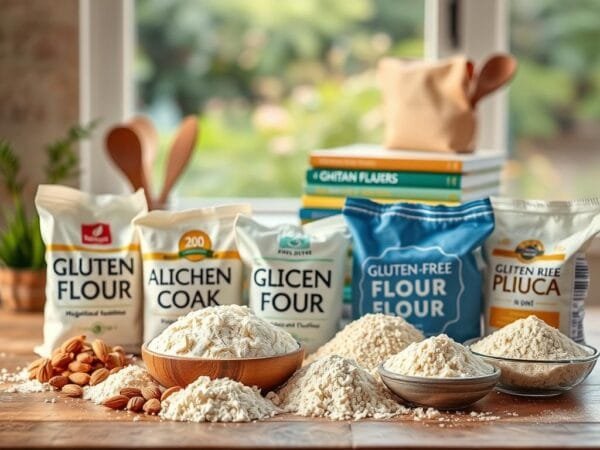
First, let's talk about what makes gluten-free flour so special. It's basically a blend of different flours, like rice, almond, or coconut flour, that are all gluten-free. This means that people with gluten intolerance or sensitivity can still enjoy their favorite baked goods without, you know, getting sick.
The Lowdown on Gluten-Free Flour
Now, when it comes to substituting gluten-free flour for all-purpose flour, things can get a bit tricky. You see, gluten-free flour doesn't have the same binding properties as all-purpose flour, which means your baked goods might end up a bit... well, let's just say crumbly isn't the most appetizing word.
Must Read
But wait, there's hope! Some gluten-free flour blends are specifically designed to mimic the properties of all-purpose flour, making them a great substitute in many recipes. These blends often include xanthan gum or guar gum, which help with texture and structure. Yeah, it's like a special ingredient that makes your baked goods go from meh to magical!
So, what's the deal with ratio substitutions? Well, it's not always a 1:1 ratio, folks. Depending on the type of gluten-free flour you're using, you might need to adjust the ratio of flours, liquids, and even leavening agents. It's like a fun little math problem, but don't worry, there are plenty of resources out there to help you figure it out.
Fun Facts and Tips
Here's a quirky fact: did you know that gluten-free flour can be more densely packed than all-purpose flour? This means you might need to adjust your measuring cups to get the right amount. And, fun tip: if you're using a gluten-free flour blend, make sure to sift it before measuring to get the best results.
Now, let's talk about flavor profiles. Different gluten-free flours can have distinct flavors, like coconut flour having a, well, coconut-y taste. This can be a fun way to add unique flavors to your baked goods, but it also means you might need to adjust your recipe accordingly. It's like a flavor puzzle, and we love puzzles!

So, there you have it – the lowdown on substituting gluten-free flour for all-purpose flour. It's not always easy, but with a little experimentation and patience, you can create delicious baked goods that everyone can enjoy. Happy baking, and remember, practice makes perfect – especially when it comes to gluten-free baking!
And, as a final note, don't be afraid to get creative with your gluten-free flour substitutions. Try new recipes, experiment with different flavors, and have fun with it! After all, baking is all about trial and error, and gluten-free baking is no exception. So, go ahead, get baking, and show the world what you're made of – or should we say, what you're baked of?