
What Is The Difference Between Flour And Self Rising Flour
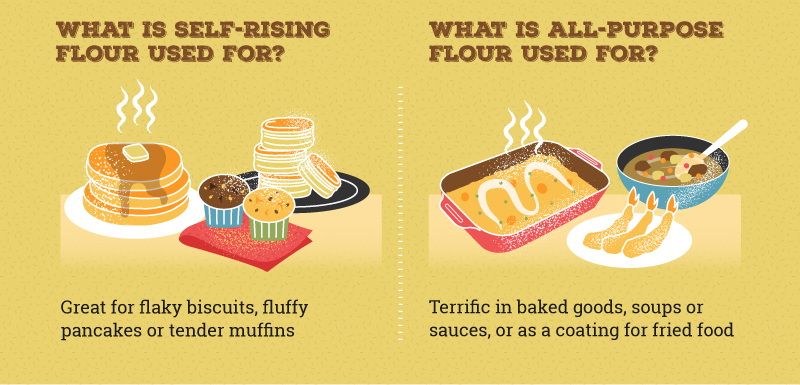
Let's talk about something that's probably sitting in your pantry right now: flour. You might have a bag of all-purpose flour, and maybe even a bag of self-rising flour too. But do you know the difference between the two, and when to use each?
Imagine you're baking a cake for your friend's birthday, and you want it to be light and fluffy. You might reach for the all-purpose flour, which is a great choice for most baked goods. But if you're making a classic Southern biscuit, you might want to grab the self-rising flour instead.
What's the magic ingredient?
The main difference between flour and self-rising flour is that self-rising flour already has leavening agents like baking powder and salt mixed in. This means that when you use self-rising flour, you don't need to add extra baking powder or salt to your recipe. It's like having a special shortcut in your baking repertoire!
Must Read
Think of it like making your favorite coffee drink. If you're using a pre-mixed coffee blend, you don't need to add extra sugar or creamer because it's already included. Similarly, self-rising flour has the extra ingredients already mixed in, so you can skip adding them to your recipe.
Why does it matter?
Using the right type of flour can make a big difference in how your baked goods turn out. If you use all-purpose flour when a recipe calls for self-rising flour, your biscuits might not rise properly, or your cake might be dense and flat. On the other hand, if you use self-rising flour when a recipe calls for all-purpose flour, you might end up with a baking powder flavor that's too strong.

It's like wearing the right shoes for the job. If you're going for a run, you wouldn't wear high heels, and if you're going to a fancy dinner, you might not wear sneakers. Using the right type of flour is like choosing the right shoes – it helps you get the best results and avoid any potential mishaps.
So, which one should I use?
If you're making a recipe that doesn't include baking powder or salt, like a simple cookie or cake, all-purpose flour is a great choice. But if you're making something like biscuits, pancakes, or waffles, self-rising flour can be a convenient and easy option. Just remember to check your recipe and use the type of flour that's called for.
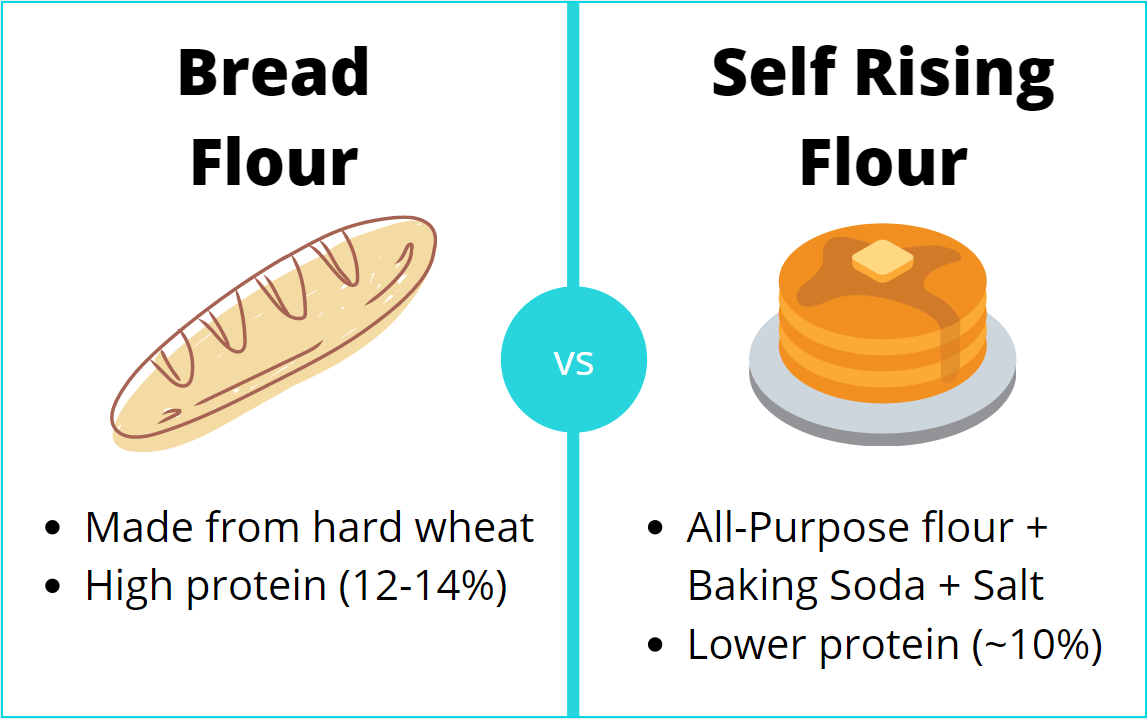
For example, if you're making a classic Southern biscuit recipe that calls for self-rising flour, you can use that instead of trying to mix together all-purpose flour, baking powder, and salt. It's like having a special shortcut in your recipe book!
In the end, understanding the difference between flour and self-rising flour can help you become a more confident and successful baker. So next time you're in the kitchen, take a look at your flour stash and think about which type you should use – your baked goods will thank you!
And who knows, you might just discover a new favorite recipe or technique that makes you the star of the baking show. Happy baking, and don't forget to experiment with both all-purpose flour and self-rising flour to see what works best for you!