
When Does The Time Change In 2026? Nov. 1 At 2 A.m.

There’s something oddly satisfying about knowing exactly when the clocks will change. It’s one of those small, practical bits of information that makes life feel a little more manageable. For many of us, the shift to daylight saving time is a gentle nudge that the seasons are turning, bringing lighter mornings or cozier evenings. Whether you’re a parent trying to adjust nap schedules, a night owl dreading the lost hour of sleep, or just someone who wants to arrive on time for Sunday brunch, knowing the date in advance is a genuine relief.
The main purpose of this time change is to maximize daylight during the warmer months, saving energy and encouraging outdoor activities. In 2026, that moment arrives on November 1 at 2 a.m., when we “fall back” to standard time. This means you’ll gain an hour of sleep, but it also means sunsets will start creeping earlier. Benefits vary widely: parents get an easier wake-up with kids, commuters enjoy brighter mornings, and gardeners can squeeze in a little more evening light before the chill sets in.
If you’ve ever missed the change, you know the chaos—showing up an hour early for a meeting or forgetting to reset your oven clock. Common variations include devices that update automatically (like phones and smart homes) and analog clocks that need a manual twist. Some people even prepare by gradually shifting their bedtime the week before, so the sudden change feels less jarring. A fun trick is to set your microwave and car clock ahead one hour before bed, so you wake up to a “correct” time.
Must Read
To make the most of this transition, start with one simple action next October 31st: set an alarm on your phone for 9 p.m. to change all non-digital clocks. Then, use that extra hour on November 1 for something you love—sleep in, read a book, or take a long, slow walk as the leaves fall. The key is to embrace the rhythm rather than fight it.
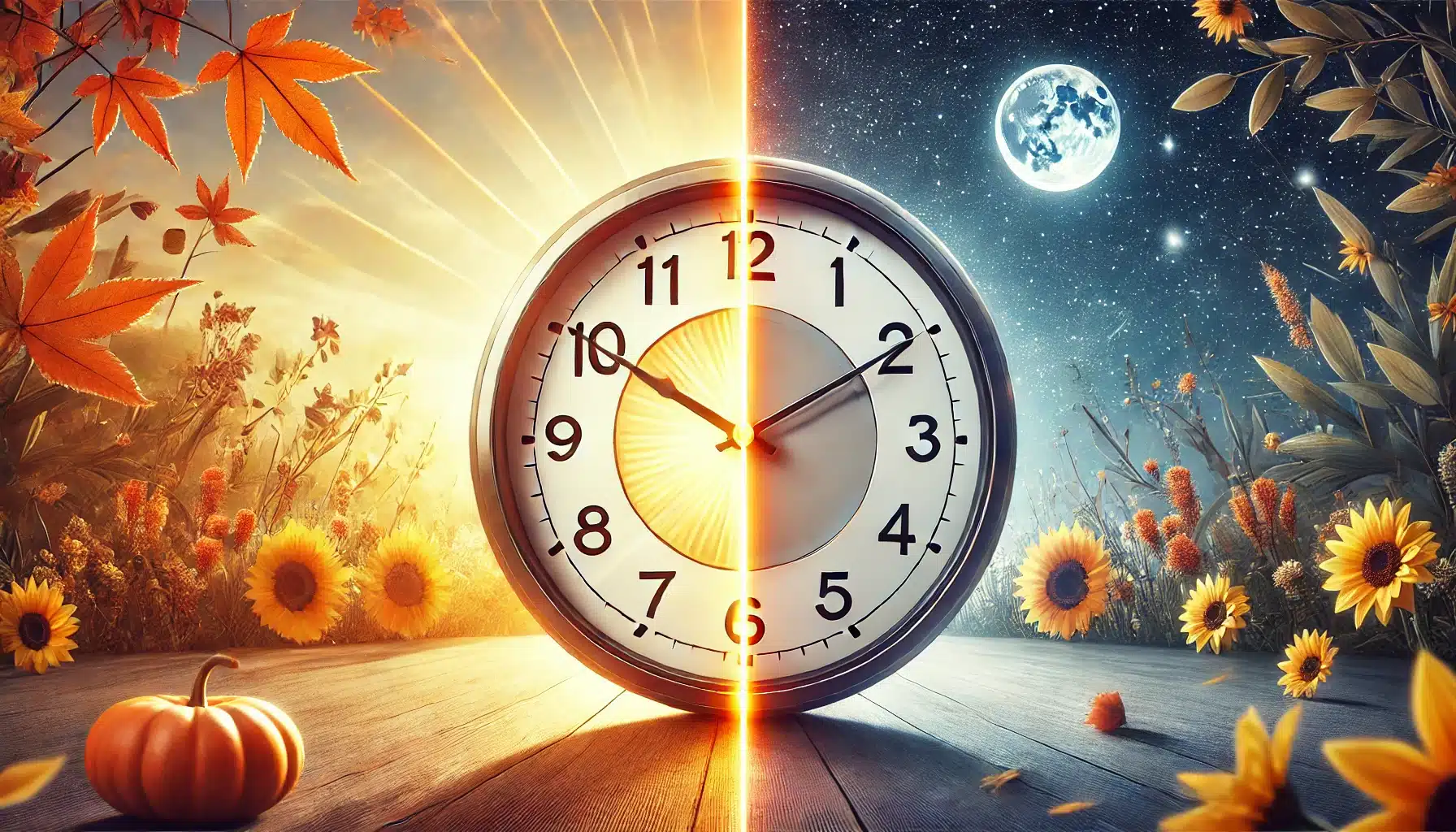
For those who struggle, remember that frequent adjustments can disrupt sleep. Try opening your curtains immediately after waking on November 1 to let natural light reset your body’s clock. And if you’re traveling that weekend, double-check your flight or train times—schedules often reflect the change, but it’s worth a quick peek. The best part? By doing this simple preparation, you’ll feel ahead of the curve while everyone else scrambles.
Ultimately, the time change is a small, shared experience that connects us across time zones. It’s a reminder that even in our busy lives, we can pause, adjust, and start fresh. So mark your calendar for November 1, 2026, at 2 a.m.—and maybe even set a second alarm just to be safe. After all, an hour of extra sleep is one of life’s simplest pleasures.