
How To Substitute Self Rising Flour For All Purpose Flour

So, you're in the middle of baking something amazing, and you realize you're out of all-purpose flour. Don't worry, it's not the end of the world! You can actually use self-rising flour as a substitute, but you need to know a few tricks to get it just right.
But, have you ever wondered what makes self-rising flour so special? It's like the superhero of the flour world - it already has baking powder and salt mixed in, which means you can skip adding those ingredients to your recipe. This can be a total game-changer, especially if you're short on time or just want to simplify your baking process.
The Magic of Self-Rising Flour
So, how does it work? Well, self-rising flour is basically just all-purpose flour with a little extra oomph. It's like the difference between a regular car and a sports car - they'll both get you where you need to go, but one is definitely more exciting. With self-rising flour, you get the added benefit of baking powder and salt, which helps your baked goods rise and gives them a bit more flavor.
Must Read
But, here's the thing: if you're using a recipe that already includes baking powder and salt, you'll need to adjust the quantities to avoid overdoing it. It's like adding too much sugar to your coffee - it might seem like a good idea at first, but trust us, it's not. So, if you're substituting self-rising flour for all-purpose flour, be sure to reduce the amount of baking powder and salt in the recipe.
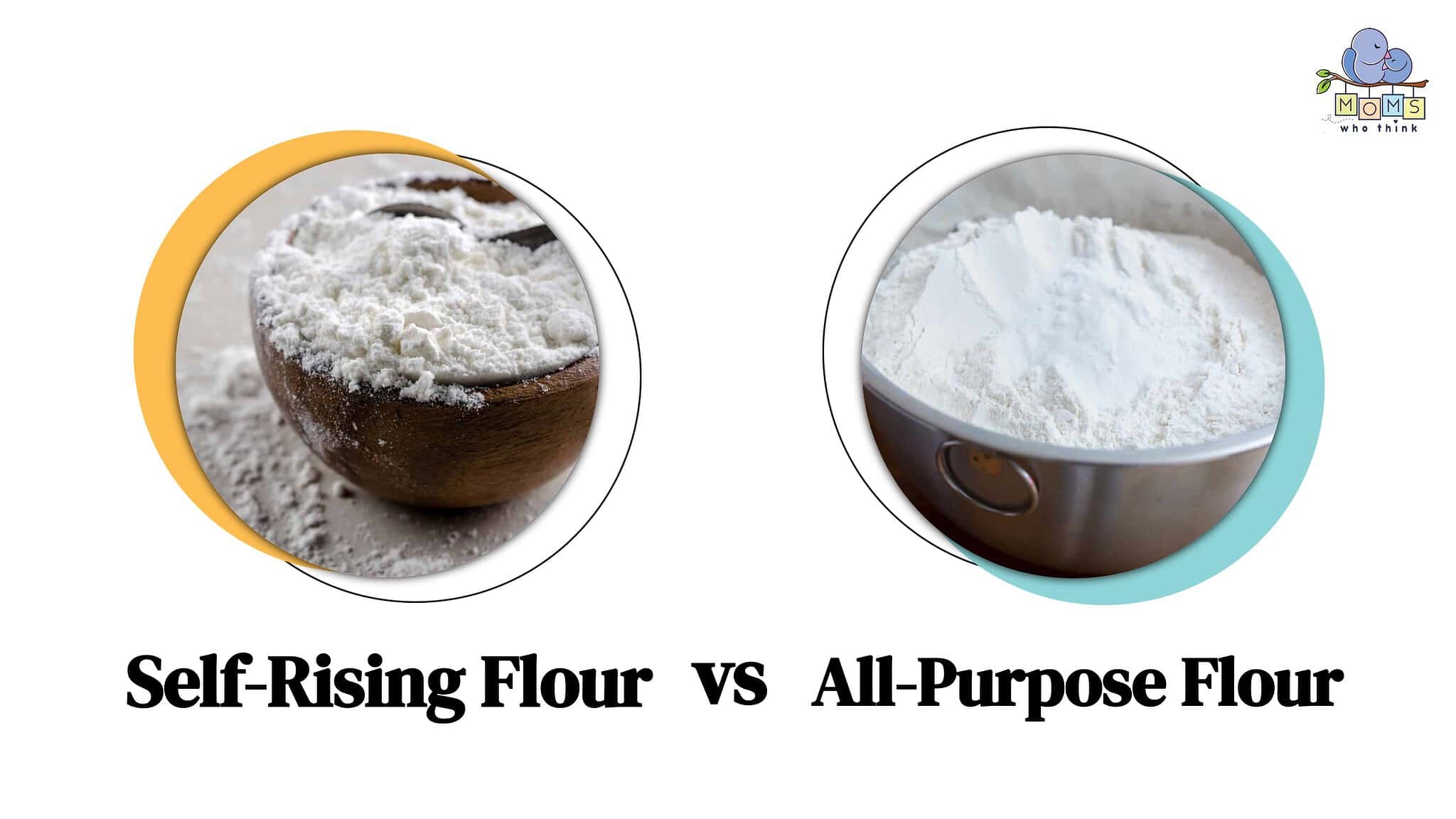
Now, you might be wondering, what's the ratio for substituting self-rising flour for all-purpose flour? It's actually pretty simple: just use 1 cup of self-rising flour and remove 1 1/2 teaspoons of baking powder and 1/4 teaspoon of salt from the recipe. Easy peasy, right? It's like following a simple recipe for your favorite dish - once you get the hang of it, you'll be a pro in no time.
Getting Creative with Self-Rising Flour
So, now that you know the basics of substituting self-rising flour for all-purpose flour, you can start experimenting with all sorts of fun recipes. Want to make some delicious biscuits or bread? Self-rising flour is the way to go. It's like having a special ingredient in your back pocket that can elevate your baked goods to the next level.
And, let's not forget about the convenience factor - with self-rising flour, you can simplify your recipes and reduce the number of ingredients you need to buy. It's like having a personal assistant for your baking needs - it's got your back and makes things easier. So, next time you're in a pinch, don't be afraid to reach for the self-rising flour and get creative.

So, what are you waiting for? Give self-rising flour a try and see the difference it can make in your baking. It's like discovering a new favorite ingredient - once you start using it, you'll wonder how you ever managed without it. Happy baking, and don't forget to experiment with new recipes and ingredients - it's all about having fun and trying new things.
In conclusion, substituting self-rising flour for all-purpose flour is easier than you think, and it can be a total game-changer for your baking. So, go ahead, give it a try, and see what amazing creations you can come up with. Who knows, you might just discover a new favorite recipe or ingredient - the possibilities are endless, and that's what makes baking so much fun.